A Drill-Free Option for Early Cavities
 For some children, treating an early cavity may not always mean reaching for the drill. A non-invasive liquid treatment can help stop decay from progressing in certain baby teeth, offering another option when cavities are caught early.
This can be especially helpful for young patients who aren’t ready for more involved treatment. Instead of immediately moving to a traditional restoration, your dentist may be able to use a simpler approach depending on the location and extent of the decay.
The goal is always to choose treatment that fits your child’s individual needs while protecting their teeth as comfortably and effectively as possible.
If your child has an early cavity, ask us what treatment options may be appropriate.
A New Direction in Gum Disease Care
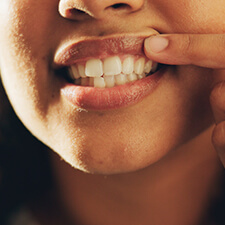 Treating gum disease usually involves professional periodontal care, but researchers are continuing to explore ways to support those treatments and improve outcomes.
In one recent trial, patients receiving standard periodontal treatment were also given either antibiotics or a specific combination of omega-3s and low-dose aspirin. The two approaches produced similar results over the study period, suggesting there may be additional options worth investigating.
That doesn’t mean supplements or aspirin should be used to treat gum disease on your own. Treatment still needs to be tailored to your oral health, medical history, and the severity of the condition.
If you’re concerned about your gums, talk with us at your next visit so we can discuss the options that make sense for you.
Could Damaged Enamel Be Rebuilt?
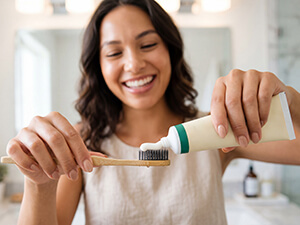 Once tooth enamel is lost, the body can’t simply grow it back. That’s why protecting enamel through brushing, fluoride, and regular dental care has always been so important.
Scientists are now exploring a different possibility. A newly developed gel uses minerals found in saliva to encourage the formation of enamel-like material on damaged tooth surfaces, potentially opening the door to new ways of repairing early enamel damage.
The technology is still at an early stage and isn’t part of routine dental care yet. Even so, it offers an interesting glimpse at where preventive dentistry could be headed.
For now, protecting the enamel you already have remains the best approach.